
Shoppingantique collectibles
The main characteristics of Yuan blue and white
Posted on 3/16/2026
Photos
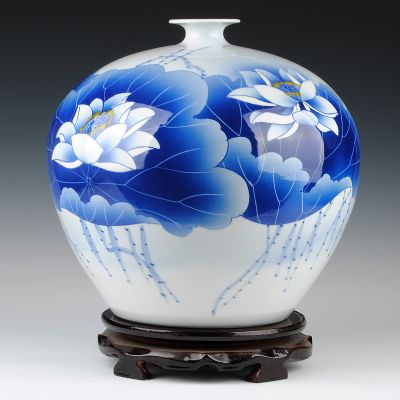
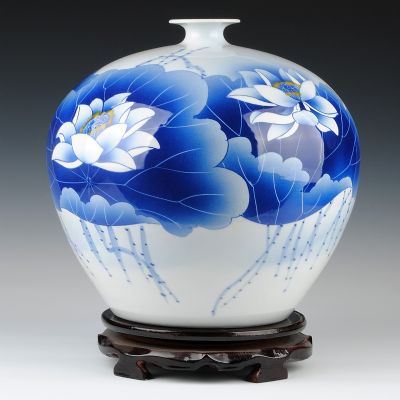
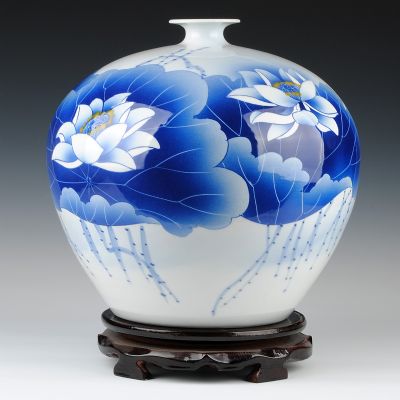
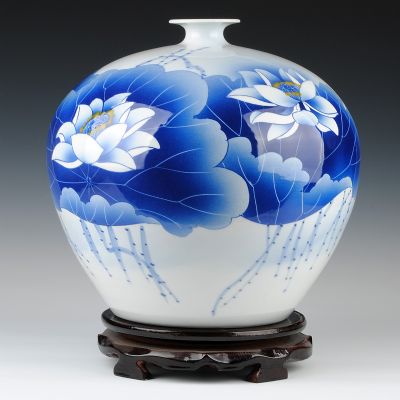
Description
The main differences between pottery and porcelain are as follows: 1. Different firing temperatures. The firing temperature of pottery is generally lower than that of porcelain, with the lowest even reaching below 800°C and the highest reaching around 1100°C. The firing temperature of porcelain is relatively high, mostly above 1200°C, and some even reach around 1400°C. 2. Different degrees of hardness: The firing temperature of pottery is low, the body is not completely sintered, the sound is loud when knocked, the hardness of the carcass is poor, and some can even be scratched with a steel knife. The firing temperature of porcelain is high, the carcass is basically sintered, the sound is crisp when struck, and it is difficult to make grooves on the carcass surface with an ordinary steel knife. 3. Different raw materials used. Pottery can be made from ordinary clay and fired, while porcelain requires specific materials to be made from high mountains. If the firing temperature is at the required temperature stage for pottery, it can become pottery. For example, ancient white pottery was fired in this way. When kaolin is fired at the temperature required for porcelain, the resulting body becomes porcelain. However, when the body made of clay, which is generally used to make pottery, is fired to 1200°C, it is impossible to become porcelain and will be fused into glass. 4. Different transparency. Even if the pottery body is relatively thin, it is not translucent. For example, the black pottery of the Longshan Culture is as thin as an eggshell, but not transparent. No matter how thin or thick the porcelain body is, it is translucent. 5. Different glazes: There are two types of pottery: unglazed and glazed. The glaze of glazed pottery can be melted at a lower firing temperature. There are two types of glazes for porcelain. It can be fired once with the body at high temperature, or it can be hung with low-temperature glaze on the high-temperature plain fired body and fired a second time at low temperature. 6. Different concepts: Pottery: an object made of clay, which is shaped and dried by hand-kneading, wheeling, molding, etc., and then fired in a kiln. Porcelain china: Porcelain is an object with a glaze or painted surface that is made of porcelain stone, kaolin, etc., and is kneaded, shaped, and calcined. C Hangzhou Dahan International Art Exhibition Co., Ltd. provides you with the most professional services and creates intangible and tangible value-added space. It is your best choice of trading platform. Collections recommended by Sotheby's and Christie's at major domestic, Hong Kong, New York, and Singapore expositions: Porcelain: fine before the Republic of China, mainly Yuan, Ming, and Qing dynasties, as well as works handed down by the Eight Friends of Zhushan; Jade: jade, jade "moist, transparent, and white" is preferred; Calligraphy and painting: ancient or modern calligraphy and painting, mainly works by modern famous artists; Miscellaneous items: all kinds of high-quality miscellaneous items, such as Buddha statues, stone medals, various carvings, gold and silverware, and stationery supplies from past dynasties, etc. Contact person: Director Li Consultation hotline: 18143451070 QQ/WeChat: 1026029377 Company website: / Address: 10th Floor, Oriental Century Center, the intersection of Shixin North Road and Jianshe 1st Road, Xiaoshan District, Hangzhou Sotheby's, Christie's Recommended unit: C Hangzhou Dahan International Art Exhibition Co., Ltd. Reminder: Don’t rush to remit money or pay a deposit before seeing the real thing to avoid being cheated.
Related Listings
Wang Shengyi's purple clay teapot is 100% sold
🛒 Shoppingantique collectibles
880-627-7718
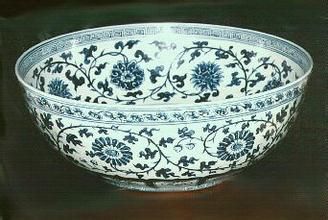
Where to buy antique porcelain
🛒 Shoppingantique collectibles
591-977-1862
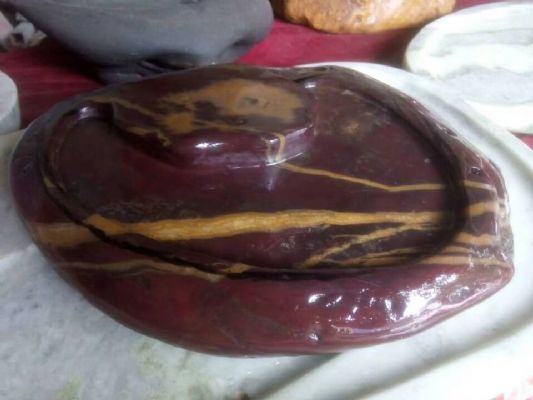
Stone lovers sell soapstone ornaments
🛒 Shoppingantique collectibles
814-345-1070
🛒
How about the 2016 Hotan Jade Walking 3rd American Art Auction?
🛒 Shoppingantique collectibles
814-345-1070
🏢
Business
Shopping · antique collectibles